“We brought our dissolved oxygen spec to 40 ppb — something our previous co-packer told us was physically impossible. Bottleline hit it on the third trial run and held it for 18 months of production.”

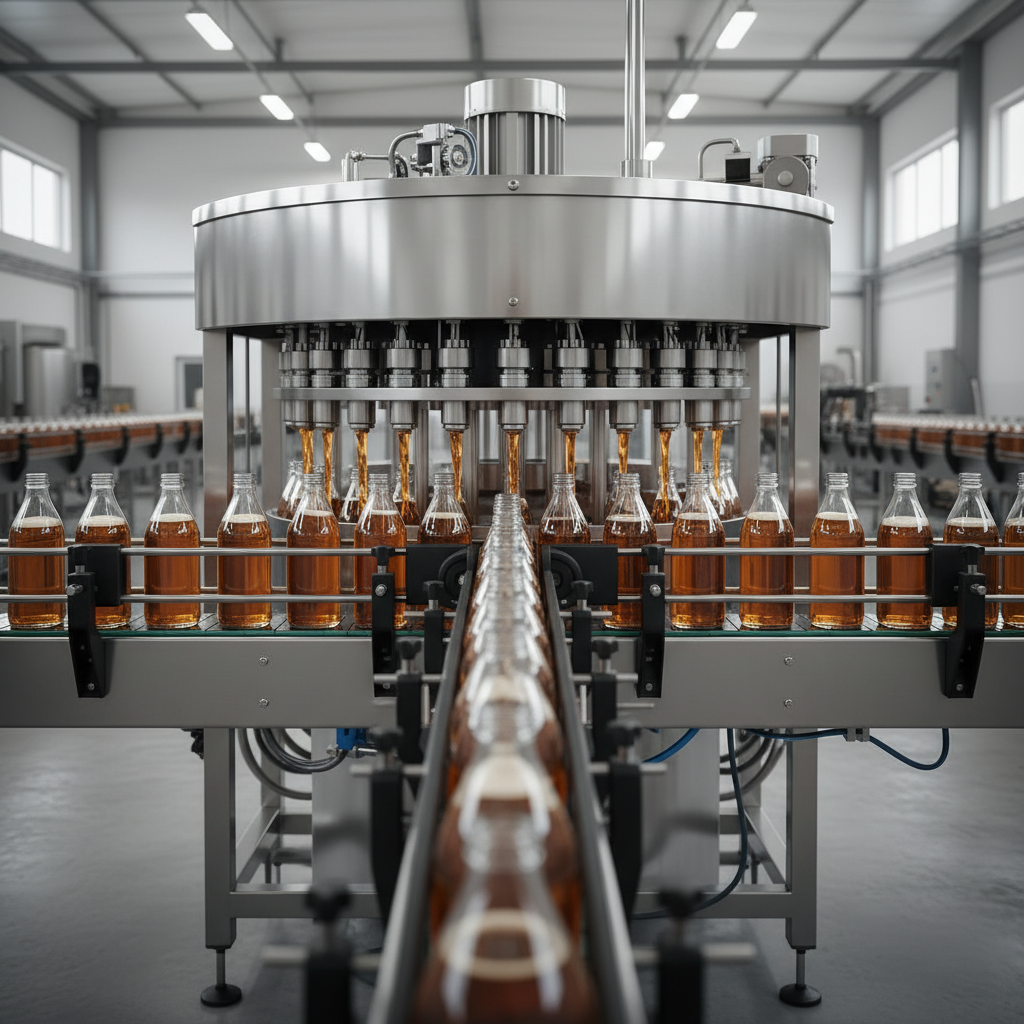
600 containers per minute. Stainless nozzles, pneumatic arms, optical sensors — all calibrated to your SKU before the first bottle hits the conveyor.
Walk your facility against each checkpoint. Discover the gaps before a third-party auditor does.
How many of these 13 checkpoints does your current line pass?
Get the Full PDF ChecklistSQFI / GFSI
Comprehensive food safety and quality management system. Highest tier certification under GFSI benchmarking.
Audited annually by SQFI-certified third-party. Last audit score: 97/100.
U.S. Food & Drug Administration
Current Good Manufacturing Practice regulations for food facilities. FSMA Preventive Controls Rule compliant.
Food Safety Plan on file. PCQI-certified facility manager.
Alcohol & Tobacco Tax and Trade Bureau
Federal Basic Permit for alcohol beverage bottling. Covers beer, wine, and spirits co-packaging.
Permit #: BW-CA-XXXXX. Renewed current year.
Compressed Air Quality
Product-contact compressed air tested quarterly. Oil-free compressors, inline 0.01 μm filtration.
Dew point ≤ −40°C. Particle count < 0.1 mg/m³.
Hazard Analysis Critical Control Points
Seven-principle HACCP plan with validated critical control points for thermal, pH, and physical hazards.
Reviewed annually. All CCPs with validated monitoring.
National Organic Program
Certified organic handling facility. Dedicated organic scheduling with allergen and non-organic flush protocols.
Certificate on file. Annual NOP audit completed.
“We brought our dissolved oxygen spec to 40 ppb — something our previous co-packer told us was physically impossible. Bottleline hit it on the third trial run and held it for 18 months of production.”

“Their batch records survived an unannounced FDA inspection without a single 483 observation. That's not luck — that's a quality system that's been stress-tested. I sleep better knowing our co-man has 21 CFR Part 11 MES.”

“We scaled from 800 cases per week at a co-packer to running our own 4-SKU line at 420 CPM in seven months. The changeover documentation they handed us was ready to go into our own SOP library on day one.”
“Torque Cpk of 1.47 across a six-month production window. I've audited 30+ co-manufacturers and I've never seen closure data that clean. It's not a talking point — they showed me the SPC charts on the first call.”

“Our recall simulation came in at 2 hours 47 minutes — full lot traceability, forward and back. The SQF auditor noted it as a best practice. That capability came directly from the systems Bottleline built when we were still a co-pack customer.”
Two ways to find out. Both give you genuine intelligence you can use on the floor tomorrow.
The complete audit checklist used by our QA team on every new line startup. Includes tolerance tables, compliance references, and sign-off fields ready for your SOP binder.
01.What is your current or target line speed?
02.Do you have a written HACCP plan with validated CCPs?
03.How do you currently track batch records?
04.What is your current SQF or GFSI certification level?
05.Have you completed a mock recall in the last 12 months?
06.How do you verify fill accuracy?
07.What is your target production volume?
Speak with a Bottleline process engineer. Bring your SKU sheet and current OEE numbers.